Tag: access control

  • Smart Tech Integration for Clubhouses: The Low-Voltage Advantage

    Smart Tech Integration for Clubhouses: The Low-Voltage Advantage

    Morning light paints the 18th green gold, and members glide into the clubhouse expecting the same polish indoors. One glitchy screen or Wi-Fi dead zone can undo the mood faster than a missed two-foot putt.

    At many clubs, AV gear, cameras, access control, and Wi-Fi grow piece by piece over the years, leaving staff juggling remotes, apps, and vendors. Modern clubs are moving away from patchwork fixes and embracing unified low-voltage infrastructure as the foundation for hospitality.

    When sound, video, lighting, signage, and security work in harmony, the clubhouse transforms from nice to effortless.

    1. What smart tech delivers the biggest impact on member experience?
      Scene presets that sync lighting, music, and displays make spaces feel effortless. Digital signage that flips from leaderboards to wedding montages, and rock-solid Wi-Fi for dining patios or meeting rooms, all boost the member experience.

    2. How do I avoid a patchwork of incompatible gadgets?
    Start with the infrastructure first: structured cabling, network backbone, and control standards before adding devices. When the wiring, rack space, and network are designed for growth, its much easier to layer in AV, signage, cameras, and access control without conflicts. Think of it like plumbing: if the pipes are right, the fixtures can change without tearing up the walls.

    3. Where should I start with a limited budget?

    Focus on high-traffic zones:

    • Ballroom or Dining room audio upgrade
    • Outdoor Wi-Fi mesh at the halfway house
    • Smart locks on cart barns and sheds
    • Early wins prove value to the board and set the stage for larger phases.
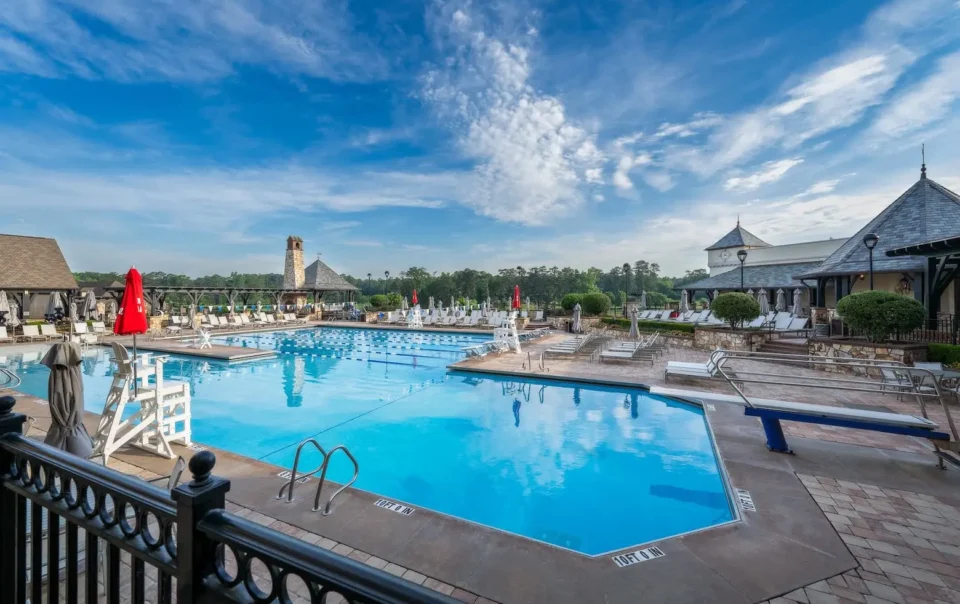
    Outdoor social dining and pickleball area with seamless Wi-Fi coverage at private club
    Seamless Wi-Fi and AV for social dining and sports areas at private clubs

    4. Can smart tech for clubhouses make events more profitable?
    Yes. Digital displays push specials in real time, and booking software can auto-upsell AV packages. Clubs using integrated systems see up to an 18% lift in event revenue.

    5. Will new clubhouse AV systems overwhelm my staff?
    Not if they’re designed right. Modern dashboards look like smartphone apps. Role-based logins keep controls simple for casual users while giving managers deeper access. Staff already adapted to online tee times they’ll handle Wedding Mode or Trivia Night buttons.

    6. How can we guarantee Wi-Fi reaches the farthest cart barn?
    Do a heat-map survey, then install weather-sealed Wi-Fi 6E access points on poles. Where fiber isn’t possible, use directional radios to backhaul the signal.

    7. Is cloud-based monitoring worth it?
    Absolutely. Remote monitoring spots a frozen display or overheating amp before members complain. Clubs using managed monitoring have cut emergency calls by 45%.

    8. What about security and data privacy?
    Segment your networks so guest Wi-Fi, POS, and security cameras stay separate. Enable MFA for admin accounts, and schedule quarterly firmware updates to close vulnerabilities.

    9. How do we measure ROI on smart tech for clubhouses?

    Track:

    • Increase in banquet/event bookings
    • Average F&B spend per cover
    • Reduction in tech support tickets
    • Dashboards translate this into board-ready graphs.
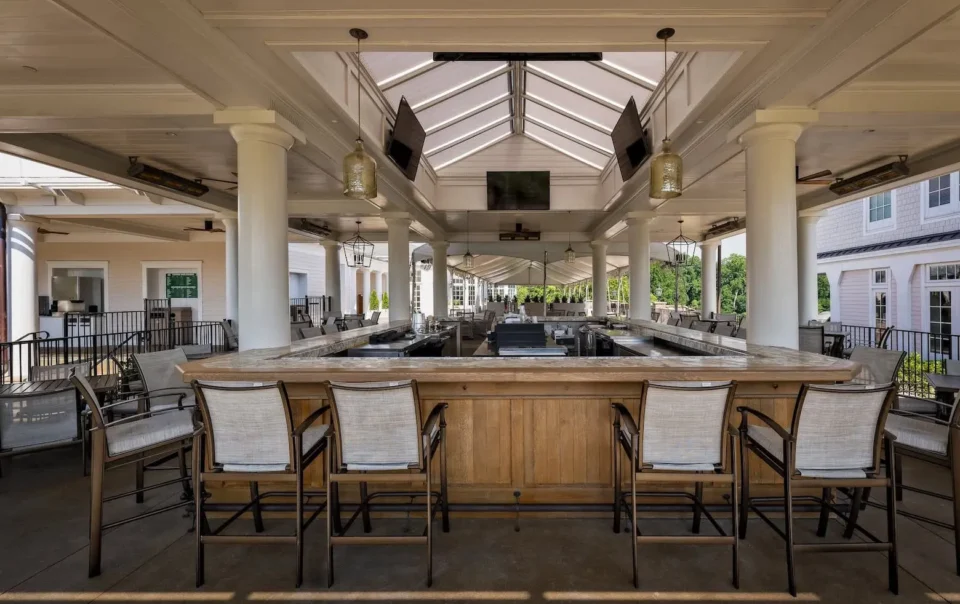
    Smart lighting and AV system inside luxury private club bar
    Integrated lighting and AV at the bar supports effortless event transitions

    10. Any sustainability benefits?
    Yes. Digital signage reduces printing, LED fixtures cut energy use, and smart locks eliminate rekeying costs. Efficient infrastructure pays for itself while boosting eco-cred.

    11. How often should systems be maintained?
    Twice a year: check amp temps, update firmware, clean cameras, and replace projector lamps before they fail. Proactive service extends equipment life up to 30%.

    12. How do we stay future-ready without constant rip-and-replace?
    Choose platforms that support modular upgrades and firmware updates. Always run extra conduit and reserve rack space during renovations. Future Wi-Fi 7 or 8K signage should be a plug-in, not a drywall job.

    Bottom Line:

    Smart clubhouse AV systems, signage, Wi-Fi, cameras, and access control aren’t just IT, they’re hospitality infrastructure. Done right, they make clubs more profitable, secure, and effortless to operate.

    Clubs that invest in smart infrastructure see:

    • Stronger member retention
    • 18%+ increase in event bookings
    • Up to 30% lower maintenance costs
    • Fewer emergency service calls

    Ready to Bring Your Clubhouse to Life?

    Imagine members stepping into perfectly tuned sound, lighting that follows the sunset, and staff running events with two taps instead of two techs.

    We’ll blueprint a phased low-voltage integration plan that fits your budget and vision. Need a quick pulse check? Our 30-minute virtual walkthrough scores your tech maturity.

    Schedule a complimentary tech audit →

  • Best Practices for Private Club Access Control

    Best Practices for Private Club Access Control

    The first moments a member or guest arrives at a private club set the tone for their entire visit. Whether it’s pulling up for a tee time or heading in for lunch, getting stuck at the entrance can quickly sour the experience. Managing who comes and goes—and who has access to key areas—is becoming a top priority for clubs focused on security and smooth operations.

    Every staff member having access to all areas can make managing property and inventory nearly impossible. We recently met with a director of food and beverage who noticed their tequila budget had skyrocketed over the past two months. It wasn’t a sudden surge in margarita lovers—someone on staff was helping themselves. After discussing the issue and how access control could solve it, we installed secure entry for their wine and liquor rooms. We then celebrated the fix with a bourbon—since the tequila was running low, of course!

    Prestige at a private club isn’t just about championship turf or aged-oak locker rooms. It’s also in the details—the smooth opening of a gate, the polite recognition of a member’s arrival at the valet. These secure entry points act as silent concierges, quietly reinforcing the club’s commitment to privacy and luxury.

    Below, we’ve outlined ten best practices for private club access control that protect your club’s prestige, streamline operations, and keep those perfectly manicured hedges strictly ornamental.

    1. Tailor Your System to Your Club’s Operations

    No two clubs are the same, so your access control should fit your specific needs. If you only want to secure staff areas like kitchens, liquor storage, or maintenance rooms, your setup will look very different than a club controlling member access to pools, golf courses, or fitness centers. Spend time mapping out who needs access where and when, so you can assign credentials that make sense without overcomplicating things.

    2. Monitor Key Areas for Security and Accountability

    Some areas require extra attention because of their high value or sensitivity. Tracking who enters liquor storage or food prep areas can help prevent theft or unauthorized access. It’s not just about locking doors—it’s about knowing who’s coming and going, which can be invaluable if something goes missing or an incident occurs.

    Learn more about surveillance strategy for private clubs →

    3. Leverage RFID Tags for Efficient Access and Tracking

    RFID tags make entry easy and contactless for both members and staff. Instead of relying on guards or manual sign-ins, RFID gives everyone a quick, seamless way to get where they need to go. Plus, it creates a digital record so you know exactly who was in which area and when—a key feature for audits and investigations.

    4. Use Access Control to Enhance the Member Experience

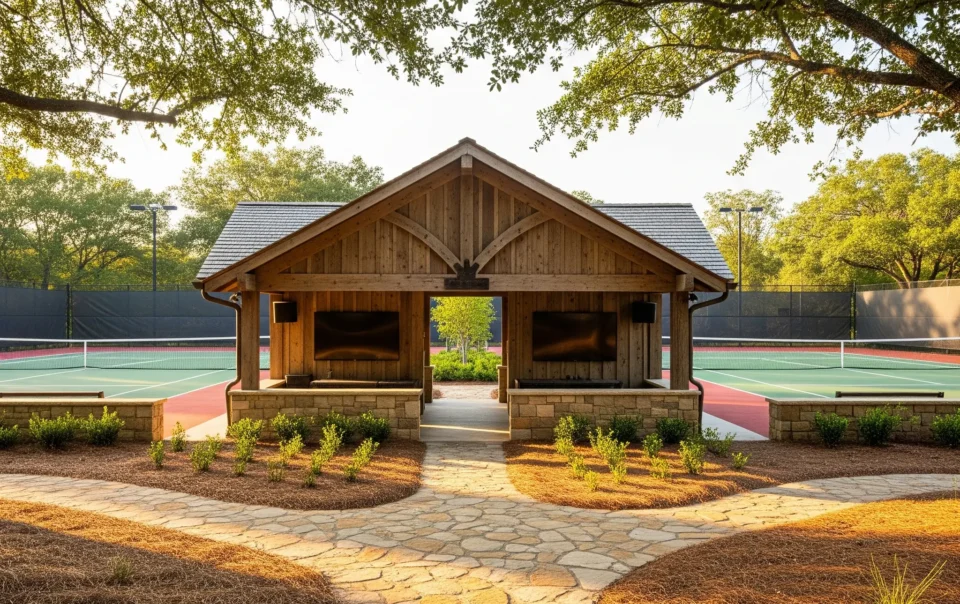
    Private club tennis pavilion with integrated outdoor AV system
    Surveillance-equipped tennis pavilion ensures guest safety without compromising club aesthetics

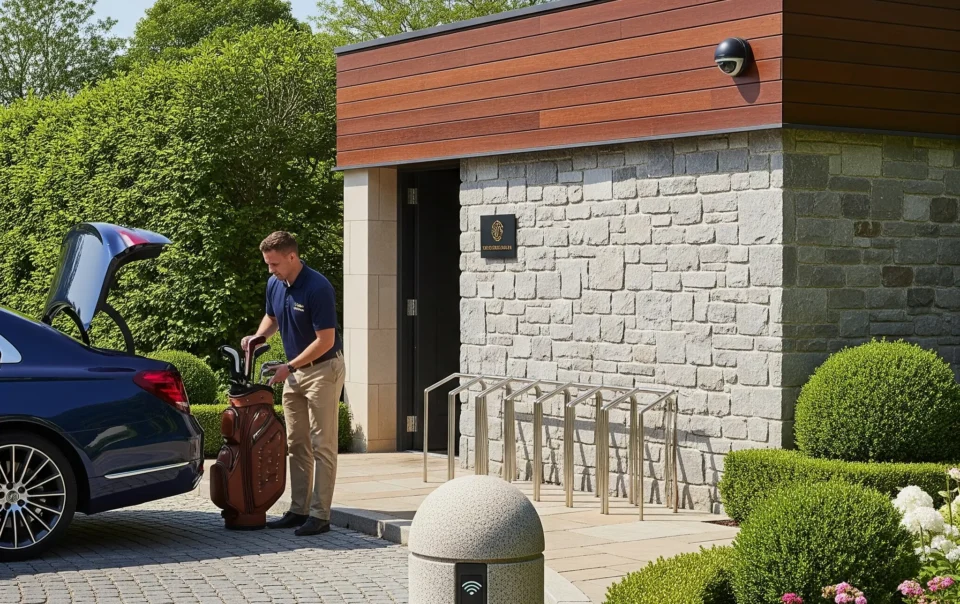
    Access control isn’t just about security—it can also be a tool to personalize service. For example, having RFID readers at valet or bag drop lets staff know who’s arriving and greet members by name. It’s a small touch that goes a long way in making members feel valued and cared for.

    5. Restrict Access to Seasonal or Special Use Areas

    Some amenities, like pools or courts, might only be available during certain times of year or to select groups (like swim teams). Access control can limit entry during the off-season or to unauthorized users, saving on maintenance and ensuring safety.

    6. Explore Mobile Credentials to Modernize Access

    Carrying key cards or fobs can be a hassle, especially for members juggling multiple clubs or responsibilities. Mobile credentials—using Bluetooth or QR codes on phones—offer a modern alternative. While the upfront cost can add up for large memberships, some management platforms integrate QR codes that work with existing systems, offering a flexible and cost-effective option.

    7. Design Your System for Reliability and Resilience

    Access control must work even when things go wrong. Plan for power outages with battery backups and ensure your system has redundant internet connections to prevent downtime. Also, decide between fail-secure (doors stay locked during power loss) or fail-safe (doors unlock for safety), depending on the space and security needs.

    8. Schedule Regular Security Testing and Audits

    Don’t set it and forget it. Annual penetration tests and system audits help uncover vulnerabilities before they become problems. These reviews keep your system sharp and responsive to changing threats or club needs.

    9. Avoid Common Pitfalls That Can Undermine Your System

    • Overcomplicating Credential Hierarchies: Complex systems can confuse front-desk staff, leading to mistakes. Keep credential groups simple and intuitive.
    • Ignoring Landscaping and Physical Security: Dense shrubs or fences with gaps can become easy entry points for trespassers.
    • Delaying Firmware Updates: Neglecting updates can leave doors unlocked or systems vulnerable.
    • Treating Access Control as a One-Time Project: Your security needs evolve—plan for ongoing management and improvements.
    • Skipping Annual Reviews: Regular audits prevent small issues from becoming liabilities.

    10. Make Access Control Effortless for Members While Keeping Everyone Safe

    At the end of the day, your access control system should be invisible to members—working smoothly behind the scenes so they hardly notice it. Complicated or intrusive systems risk frustrating members and creating bottlenecks at entry points, which can damage their overall experience.
    Focus on convenience without sacrificing security: easy-to-use RFID tags or mobile credentials let members move freely and confidently throughout the club. Meanwhile, the system quietly tracks access and alerts staff to any issues, protecting your people and property without disruption.
    Balancing seamless member access with robust security builds trust and satisfaction, reinforcing the exclusivity and professionalism your club stands for.

    Gated community entrance with modern guard house and surveillanceGuard house entry reinforces privacy and exclusivity for members

    Explore custom access control solutions →

  • Capital City Club Brookhaven

    Capital City Club Brookhaven

    Client
    [Client Name]
    Location
    [City, State]