Category: Low Voltage IT Infrastructure

  • Upgrade Your Club’s Wi‑Fi in Historic Buildings—No Walls Drilled, No Member Complaints

    Upgrade Your Club’s Wi‑Fi in Historic Buildings—No Walls Drilled, No Member Complaints

    Here’s how we gave a 1920s clubhouse flawless gigabit Wi‑Fi—without drilling a single hole or disturbing a single wedding.

    When the general manager called, they were at their wits’ end. Wi-Fi kept dropping during weddings. POS terminals froze mid-transaction. And live-streamed events buffered right in front of hundreds of guests. All of this in a clubhouse built in the 1920s—marble floors, ornate woodwork, century-old walls—the works.

    Our challenge was clear: bring this historic gem into the modern era without leaving a single scar. Easier said than done—but that’s exactly what we love to solve.

    The Problem

    You can’t just run fiber in a building like this the way you would in a new office. Some of the obstacles:

    • Historic walls: One wrong drill and you’ve got a marble massacre.
    • Limited conduits: Not exactly a fiber-friendly architecture.
    • Events happening every weekend: No downtime allowed—yes, weddings count.

    In short, members notice every hiccup, and nobody likes a frozen cocktail POS.

    Our Approach (a.k.a. “Threading the Needle”)

    We started by walking every inch of the building. Attic crawl spaces became our highways, and discreet raceways our lifelines. Every fiber run was carefully planned to avoid visual disruption, with future-proof microducts ready for expansion.

    Access points were strategically placed, considering stone walls, open ballrooms, and secret corners where Wi-Fi ghosts like to hide. Redundancy was built in—if one line went down, another took over seamlessly.

    Think of it as performing brain surgery… with Ethernet cables.

    Constraints

    Upgrading the network infrastructure for private clubs with a long history comes with strict limitations:

    • Preserve historic finishes: Marble, wood, plaster—untouched.
    • Minimal conduit pathways: Older buildings weren’t exactly designed for fiber.
    • Time-sensitive deployment: We had three weeks to complete the deployment of seamless infrastructure that supports both speed and security while the clubhouse remained fully operational.

    Design and Implementation

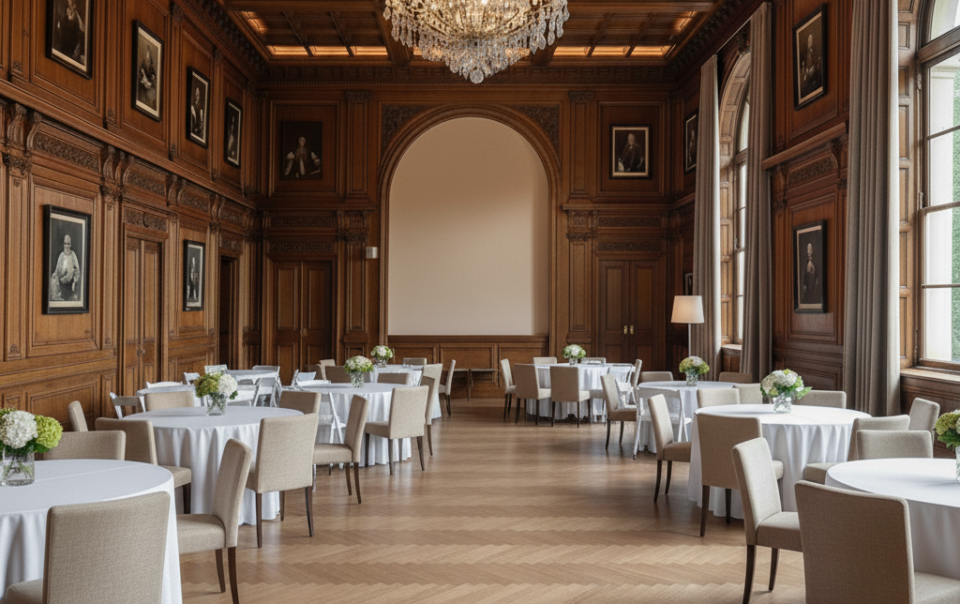
    Traditional private club boardroom showcasing modern network infrastructure for private club including fiber installation in a historic setting.
    Board meetings now stream flawlessly thanks to discreetly routed fiber under carpets and through historic molding.

    The solution combined planning, tech, and a bit of creativity:

    • Fiber Pathing: Through attics and crawl spaces to stay invisible.
    • Microduct Installation: Future-proof conduits for expansions without new construction.
    • Discreet Raceways: Surface-mounted channels, color-matched to walls and trim.
    • Access Point (AP) Density Planning: Optimized coverage in tricky spots, integrating access points, structured cabling, and digital systems.
    • Redundancy: Dual fiber loops for uninterrupted connectivity.

    Every step ensured the network infrastructure performed flawlessly without a single marble scratch.

    What to Ask Before Upgrading Your Historic Club’s Network

    • Where are the weak points—and how are they affecting members?
    • What areas require the most coverage: event spaces, patios, or offices?
    • Can we install it without modifying any historic surfaces?
    • Do we need failover or backup connectivity?
    • Who will maintain it after installation?

    Working with a trusted partner who understands historic constraints reduces the likelihood of expensive mistakes, delays, and disruptions to day-to-day operations and member experience.

    Macrotek’s Transformative Results

    Historic private club bar area optimized with seamless wireless connectivity and hidden AV upgrades completes Macrotek's network infrastructure for private clubs plan.
    Even cozy corners like this bar can be covered by strategically placed APs behind molding and under trim.

    Before:

    • Slow speeds, Wi-Fi dead zones, constant complaints

    After:

    • Gigabit speeds everywhere
    • Full coverage in ballrooms, patios, and secret corners
    • Near-zero downtime
    • Support tickets practically disappeared

    Staff, management, and members were genuinely happy.

    Want This Kind of Magical, Marble-Friendly Network Infrastructure for Private Clubs Upgrade?

    Message “FIBER” to info@macrotekservices.com and we’ll map your backbone in 30 minutes, showing exactly how to get modern speeds without harming a single historic surface.

  • Smart Tech Integration for Clubhouses: The Low-Voltage Advantage

    Smart Tech Integration for Clubhouses: The Low-Voltage Advantage

    Morning light paints the 18th green gold, and members glide into the clubhouse expecting the same polish indoors. One glitchy screen or Wi-Fi dead zone can undo the mood faster than a missed two-foot putt.

    At many clubs, AV gear, cameras, access control, and Wi-Fi grow piece by piece over the years, leaving staff juggling remotes, apps, and vendors. Modern clubs are moving away from patchwork fixes and embracing unified low-voltage infrastructure as the foundation for hospitality.

    When sound, video, lighting, signage, and security work in harmony, the clubhouse transforms from nice to effortless.

    1. What smart tech delivers the biggest impact on member experience?
      Scene presets that sync lighting, music, and displays make spaces feel effortless. Digital signage that flips from leaderboards to wedding montages, and rock-solid Wi-Fi for dining patios or meeting rooms, all boost the member experience.

    2. How do I avoid a patchwork of incompatible gadgets?
    Start with the infrastructure first: structured cabling, network backbone, and control standards before adding devices. When the wiring, rack space, and network are designed for growth, its much easier to layer in AV, signage, cameras, and access control without conflicts. Think of it like plumbing: if the pipes are right, the fixtures can change without tearing up the walls.

    3. Where should I start with a limited budget?

    Focus on high-traffic zones:

    • Ballroom or Dining room audio upgrade
    • Outdoor Wi-Fi mesh at the halfway house
    • Smart locks on cart barns and sheds
    • Early wins prove value to the board and set the stage for larger phases.
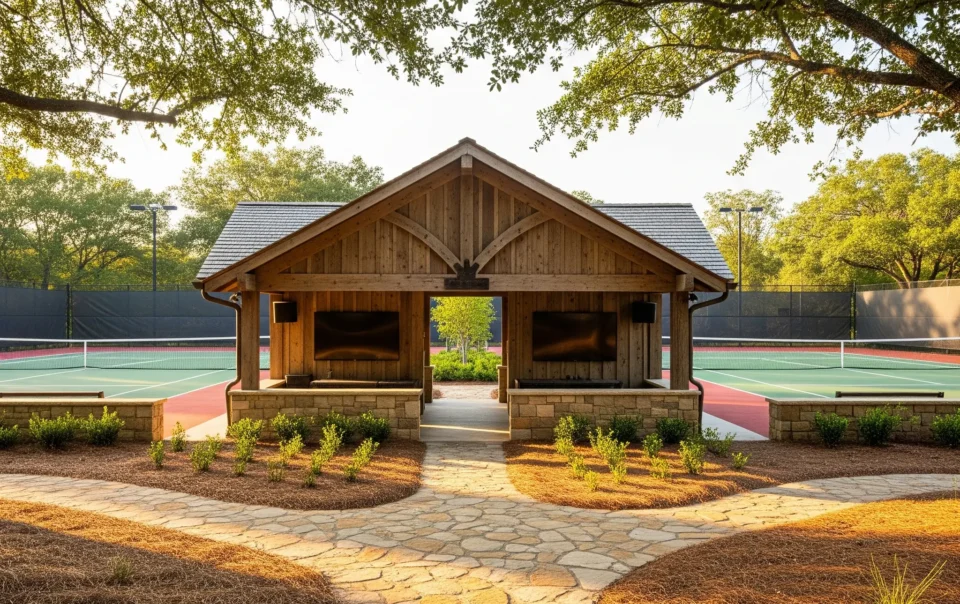
    Outdoor social dining and pickleball area with seamless Wi-Fi coverage at private club
    Seamless Wi-Fi and AV for social dining and sports areas at private clubs

    4. Can smart tech for clubhouses make events more profitable?
    Yes. Digital displays push specials in real time, and booking software can auto-upsell AV packages. Clubs using integrated systems see up to an 18% lift in event revenue.

    5. Will new clubhouse AV systems overwhelm my staff?
    Not if they’re designed right. Modern dashboards look like smartphone apps. Role-based logins keep controls simple for casual users while giving managers deeper access. Staff already adapted to online tee times they’ll handle Wedding Mode or Trivia Night buttons.

    6. How can we guarantee Wi-Fi reaches the farthest cart barn?
    Do a heat-map survey, then install weather-sealed Wi-Fi 6E access points on poles. Where fiber isn’t possible, use directional radios to backhaul the signal.

    7. Is cloud-based monitoring worth it?
    Absolutely. Remote monitoring spots a frozen display or overheating amp before members complain. Clubs using managed monitoring have cut emergency calls by 45%.

    8. What about security and data privacy?
    Segment your networks so guest Wi-Fi, POS, and security cameras stay separate. Enable MFA for admin accounts, and schedule quarterly firmware updates to close vulnerabilities.

    9. How do we measure ROI on smart tech for clubhouses?

    Track:

    • Increase in banquet/event bookings
    • Average F&B spend per cover
    • Reduction in tech support tickets
    • Dashboards translate this into board-ready graphs.
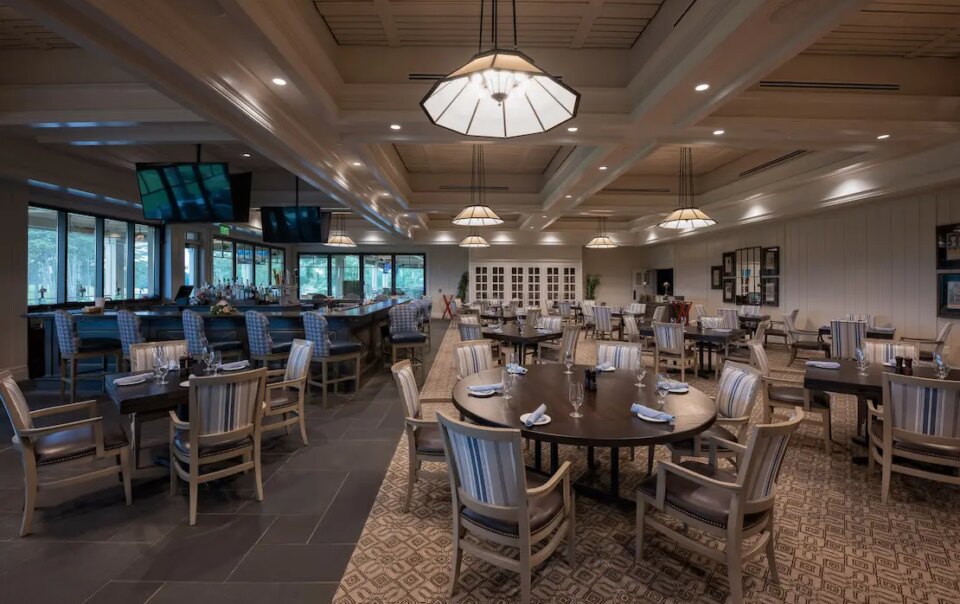
    Smart lighting and AV system inside luxury private club bar
    Integrated lighting and AV at the bar supports effortless event transitions

    10. Any sustainability benefits?
    Yes. Digital signage reduces printing, LED fixtures cut energy use, and smart locks eliminate rekeying costs. Efficient infrastructure pays for itself while boosting eco-cred.

    11. How often should systems be maintained?
    Twice a year: check amp temps, update firmware, clean cameras, and replace projector lamps before they fail. Proactive service extends equipment life up to 30%.

    12. How do we stay future-ready without constant rip-and-replace?
    Choose platforms that support modular upgrades and firmware updates. Always run extra conduit and reserve rack space during renovations. Future Wi-Fi 7 or 8K signage should be a plug-in, not a drywall job.

    Bottom Line:

    Smart clubhouse AV systems, signage, Wi-Fi, cameras, and access control aren’t just IT, they’re hospitality infrastructure. Done right, they make clubs more profitable, secure, and effortless to operate.

    Clubs that invest in smart infrastructure see:

    • Stronger member retention
    • 18%+ increase in event bookings
    • Up to 30% lower maintenance costs
    • Fewer emergency service calls

    Ready to Bring Your Clubhouse to Life?

    Imagine members stepping into perfectly tuned sound, lighting that follows the sunset, and staff running events with two taps instead of two techs.

    We’ll blueprint a phased low-voltage integration plan that fits your budget and vision. Need a quick pulse check? Our 30-minute virtual walkthrough scores your tech maturity.

    Schedule a complimentary tech audit →

  • Building the Backbone: Network Infrastructure for Country Clubs

    Building the Backbone: Network Infrastructure for Country Clubs

    Sunlight glints off perfectly raked bunkers as cardinals trill in the pines. Members glide through the porte-cochère, phones already syncing tee times, expecting every pixel and packet to work as flawlessly as the greens. A single buffering wheel on the live leaderboard can ruin that serene morning faster than a lip-out on seventeen.

    Behind the scenes, it’s network infrastructure—fiber, switches, access points—that powers modern amenities and country club AV and technology integration. From golf simulators and POS tablets to swing analysis systems and touchless access control, every digital experience at a country club depends on a fast, stable, secure network.

    Key Takeaways

    • Expectations have skyrocketed.
    • Coverage must stretch from the clubhouse to the cart barn.
    • Planning beats guesswork every single round.

    Today’s Clubs Are Tech Hubs

    Country clubs aren’t just about golf and fine dining anymore—they’re tech-driven environments requiring modern technology solutions for private golf clubs. Members expect seamless Wi-Fi and internet access from the front gate to the 18th green. If the network lags, frustration builds quickly, and it reflects poorly on the club.

    Why Reliable Networks Matter

    • Members expect hotel-quality Wi-Fi in the clubhouse, at the pool, on the driving range, and even out on the course.
    • Critical systems rely on it:
      • Point-of-sale (POS) tablets
      • Golf simulators and AV systems
      • Security cameras and access control
    • When Wi-Fi fails, payments slow, security systems glitch, and staff can’t deliver the level of service members expect.

    Real Example: Why Consumer Gear Doesn’t Cut It

    Last summer, a club manager called us in. Their Wi-Fi was spotty—sometimes it worked, sometimes it didn’t. Our techs discovered someone had plugged in a cheap, store-bought router to make their own hotspot, causing interference across the club’s network infrastructure. We fixed it, explained the problem, and had a laugh—but it drove home a key point:

    Premium hospitality requires professional-grade, enterprise networks—not DIY fixes.

    How to Build a Rock-Solid Club Network Infrastructure for Country Clubs

    Step 1: Assess Your Current Setup

    Walk the property with Wi-Fi analysis tools to find dead zones—areas where signal drops or disappears.

    Create an inventory of all network gear:

    • Switches, access points, cables, and firmware versions.
    • Backup power supplies (UPS batteries), cable types, and run lengths.

    Most clubs discover some outdated or consumer-level gear that needs replacing.

    Enterprise-grade network equipment in a private country club server room
    Enterprise-grade routers, switches, and cabling form the backbone of a high-performance club network.

    Step 2: Use Enterprise-Grade Equipment

    Routers: Handle more traffic, offer failover options, and provide consistent, fast connections.

    Firewalls: Protect sensitive data like member information, payments, and security feeds.

    Managed switches: Organize and secure network traffic using VLANs.

    VLANs: Organize and Secure the Network

    A VLAN (Virtual Local Area Network) splits your network into “lanes” for different types of traffic, improving both performance and security.

    VLAN

    Purpose

    1

    Members & Guest Wi-Fi

    2

    Staff (POS systems, VoIP)

    3

    Security (cameras, doors)

    4

    IoT (HVAC, Irrigation)

    Why VLANs Matter:

    Security: If a smart thermostat gets hacked, it can’t access security cameras or payment systems.

    Control: Guest Wi-Fi can be bandwidth-limited, ensuring staff systems stay fast—even during busy events.

    Access Points: Not Just About Speed

    Access Points (APs) are wireless hubs—but they have limits:

    • Bandwidth: How much data they can handle.
    • Client capacity: How many devices can connect at once (typically 30–50 devices per AP reliably).

    During big events (tournaments, weddings):

    Add extra APs in high-traffic areas like patios, lounges, and event tents.

    Use directional antennas outdoors to cover long fairways.

    Set up mesh Wi-Fi in areas where cables can’t reach.

    Mixing Fiber and Copper

    Fiber: Best for long distances (connecting buildings, outlying areas like maintenance barns). It’s fast, reliable, and future-proof.

    Cat6A copper: Best for short distances indoors. It’s affordable and powers devices like cameras using PoE (Power over Ethernet).

    Pro Tip: When trenches are dug for irrigation or landscaping, lay fiber at the same time to save on future costs.

    Backup Plans & Monitoring Tools

    Always have two internet providers (fiber + 5G or coax) for redundancy.

    Use UPS batteries and generators to keep systems online during power outages.

    Deploy monitoring tools (like Meraki Insight or PRTG) to track the network in real time. Spot issues before members notice.

    Refresh Your Network Regularly

    Old gear causes slowdowns, security risks, and constant help desk calls. Follow a replacement plan:

    Equipment

    Replace Every

    Wireless gear

    5 years

    Switches

    7 years

    Fiber cabling

    10 years

    Better Wi-Fi Boosts Dining & Sales

    Enterprise-grade network equipment in a private country club server room
    Enterprise-grade routers, switches, and cabling form the backbone of a high-performance club network.

    Tablet-based ordering at the pool, patio, or ballroom improves service and increases revenue. One club saw a 9% boost in sales after switching to handheld tablets—powered by a reliable Wi-Fi network.

    Final Takeaway: Good Wi-Fi = Great Member Experience

    A strong, secure network infrastructure for Country clubs means:

    • Faster service
    • Protected data
    • Happy members
    • Less stress for staff

    It’s like a great caddie; you barely notice it when it’s working well, but it makes every round smoother.

  • Why Country Clubs Need a Trusted Technology Partner to Future-Proof Their Member Experience

    Why Country Clubs Need a Trusted Technology Partner to Future-Proof Their Member Experience

    Country clubs stand at a crossroads of tradition and innovation. As members’ expectations grow and technology becomes deeply embedded in every aspect of operations, piecemeal upgrades and one-off fixes are no longer sustainable. Country Clubs need a technology partner they can trust. The ideal partner that offers long-term vision, strategic insight, and consistent support to help future-proof the member experience.

    Technology Is No Longer Just a Back-of-House Concern

    AV systems, access control, surveillance, and network infrastructure now shape everything from how safe members feel to how smoothly events run. But these systems also impact perception. A weak Wi-Fi signal or an outdated audio system may seem minor, but they leave a lasting impression.

    A reliable technology partner ensures these systems evolve alongside the club, not reactively, but proactively.

    From outdoor AV for events to high-performance simulators and access tracking systems, members expect seamless experiences. A proactive partner keeps every system aligned with those expectations.

    Learn how strong network infrastructure supports AV across every part of your club.

    A refined dining space where seamless AV, Wi-Fi, and smart controls—planned by the right technology partner—elevate comfort and service for members.

    Modern Amenities Require Modern Planning

    Today’s members want more:

    • Golf simulators integrated into the pro shop or indoor practice areas
    • Camera systems on racquet courts for performance reviews
    • Networked wine machines that let members pour drinks while tracking usage and billing

    As amenities evolve, a trusted technology partner helps clubs evaluate, plan, and implement innovations without disrupting the member experience or overextending the infrastructure.

    Explore AV system ideas for clubs →

    A Long-Term Roadmap Prevents Short-Term Band-Aids

    When a club has a partner who understands its operations and long-term goals, planning becomes smarter. Instead of overlapping vendor scopes or rushed retrofits, you gain a cohesive strategy. This saves money, reduces disruption, and avoids the tech debt that comes with patchwork decisions.

    Whether you’re renovating a room or building a new wing, bringing in a technology partner early helps:

    • Guide infrastructure decisions
    • Integrate new and existing systems seamlessly
    • Build toward future-ready scalability

    Trust Brings Clarity, Communication, and Accountability

    This isn’t just about technical ability. It’s about having a partner who communicates clearly, brings transparency, and becomes an extension of your internal team. Even if staff or leadership changes, your technology partner provides continuity and insight.

    Why Macrotek Goes Beyond Vendor Relationships

    Private club indoor golf simulator showcasing how a trusted technology partner integrates AV and training tech to enhance member amenities
    A state-of-the-art golf simulator that highlights how the right technology partner helps private clubs expand amenities and deliver premium experiences.

    At Macrotek Services, we don’t just install systems. We help clubs build a vision. Our team works alongside your leadership and facility managers to:

    • Identify long-term goals
    • Align technology upgrades with operations
    • Provide ongoing support and training

    We’ve helped leading Country clubs across the Southeast, such as Atlanta Athletic Club, align their infrastructure with their brand standards, while improving day-to-day experience for members and staff alike.

    Ready to Build Your Club’s Technology Roadmap?

    Let’s walk your property together and define your private club AV systems, upgrades, and tools that will elevate your club’s experience, both now and into the future.

    Get a Club Network Assessment →