Category: Video Surveillance

  • Cameras at the Pool: Balancing Member Privacy with Property Protection

    Cameras at the Pool: Balancing Member Privacy with Property Protection

    In recent design meetings for two different pool projects, we ran into the same critical question: “Should we have cameras on the pool deck?”

    While the question was the same, the reactions from each club were very different. One team felt that cameras might make members feel observed—encroaching on that “home away from home” comfort. The other viewed cameras as a foundational requirement for the club’s liability and safety.

    Neither perspective is right or wrong. In the world of private clubs, the best approach is the one that aligns with your specific culture. However, as technology evolves, the choice is no longer a simple “Yes” or “No.”

    The Dilemma: Comfort vs. Liability
    The hesitation around pool cameras is understandable. Members are relaxing with their families; they don’t want to feel like they are under a microscope.

    On the other hand, the pool is a high-liability area. If a slip-and-fall occurs, an altercation breaks out, or an unauthorized person gains access overnight, that footage becomes the club’s primary resource. It provides an objective record of exactly how an incident happened, allowing the club to address the situation with facts rather than guesswork.

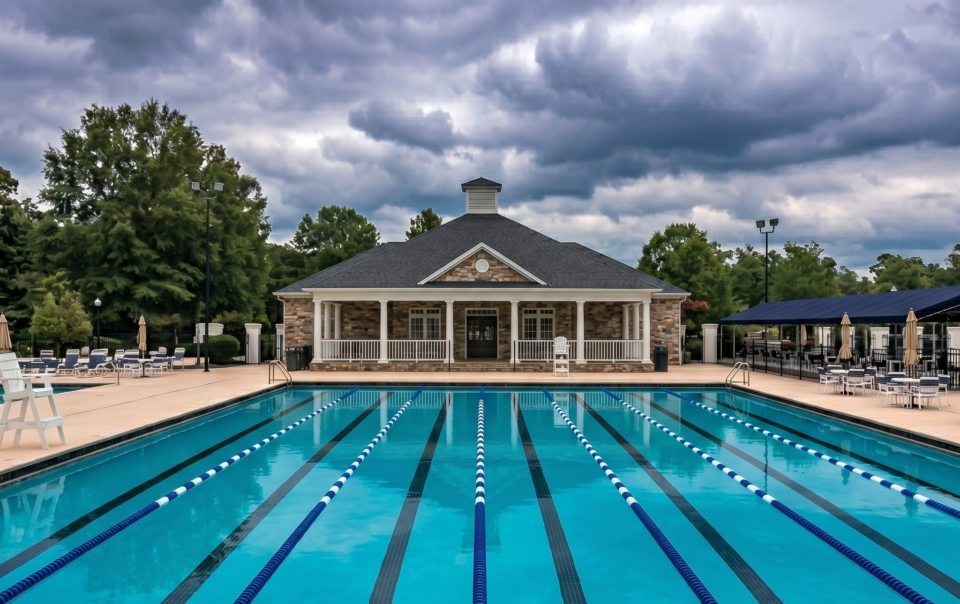
    Private club pool area where discreet video surveillance helps ensure safety without disrupting member relaxation
    A high-traffic club pool area where discreet cameras help protect members, especially during events and summer activities.

    Finding the Middle Ground: Three Strategic Compromises
    If your committee is weighing this decision, you don’t have to choose between “Total Surveillance” and “Zero Visibility.” Here are the three most effective ways we’ve seen clubs bridge the gap:

    1. Perimeter-Only Coverage
      Instead of mounting cameras that overlook the lounge chairs and water, focus strictly on the entry and exit points. This allows the club to verify who entered the area and when without recording the private areas of the deck.
    2. Off-Hours “Line Crossing” & AI Triggers
      Modern AI-enabled cameras allow for “event-based” monitoring. You can set the system to remain dormant during normal operating hours but trigger an immediate alert to our remote desk the moment someone crosses a virtual “line” after the pool is closed. This provides security when the pool is a liability (overnight) while maintaining privacy when it’s an amenity.
    3. Integration with Member Access Apps
      Pairing camera technology with your member app ensures that access is documented digitally. If every gate entry requires a mobile scan or RFID tag, the “who” is already recorded. This data often reduces the need for invasive video monitoring of the entire deck area.

    The MacroTek Approach: Designing for Your Culture
    At MacroTek, we believe technology should be a silent partner in your club’s hospitality. Whether you choose a robust surveillance plan or a minimal perimeter setup, the goal is the same: Operational Peace of Mind.

    We don’t dictate what your policy should be; we provide the design and the tools to ensure that once you make a decision, the technology supports it flawlessly.

    Planning a pool renovation or a new facility? Let’s discuss a strategy that protects your club while respecting the member experience.

  • How AI Can Turn Your Security Infrastructure into Member Growth and a Revenue Engine

    How AI Can Turn Your Security Infrastructure into Member Growth and a Revenue Engine

    The CFO at one of our clubs recently called with a question that went beyond “traditional” security. He wanted to know: Could the club track how many cars were onsite, how many parking spots were available, and when overflow traffic might create jams during big events? His goal wasn’t just safety—it was member experience. By pushing members and guests toward valet at the right times, the club could avoid frustration, improve service, and even increase valet revenue. That conversation captures a bigger truth: when AI surveillance technology infrastructure is designed strategically, it doesn’t just reduce risks—it drives member satisfaction, operational efficiency, and new revenue opportunities.

    GMs: The Silent Security Gaps at Private Clubs (and How AI Closes Them)

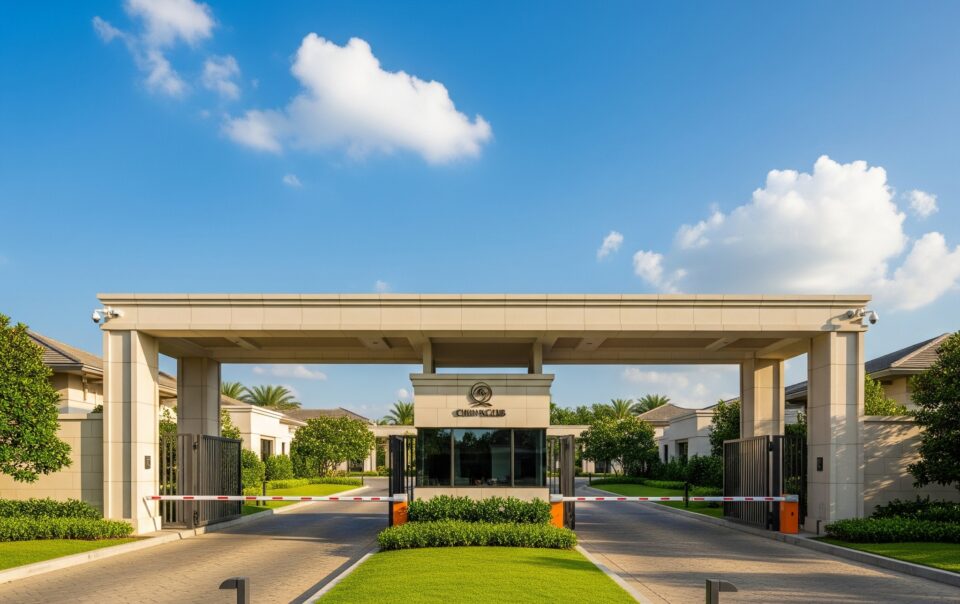
    Gated community entrance with modern guard house and surveillance
    Private club security: Guard house entry reinforces privacy and exclusivity for members

    Most General Managers already know the obvious vulnerabilities—unlocked gates, underlit parking lots, blind spots in camera coverage. But the bigger risk is often invisible: data. Without AI tools and smart surveillance systems for clubs to connect access control, cameras, and network infrastructure, important patterns go unnoticed.

    1. Who’s on the property after hours and why?
    2. Are deliveries happening at unscheduled times?
    3. Are contractors following access rules?

    AI security systems help surface these silent gaps automatically, giving managers proactive insight instead of relying on staff memory or “walking the property.”

    Reduce False Alarms: Practical Camera Analytics That Actually Save Your Team Time

    Clubs don’t have the luxury of chasing every motion alert. False alarms drain time and staff attention. AI-driven video analytics can cut the noise by distinguishing between:

    1. A raccoon by the dumpster versus an actual intruder
    2. A member pulling into the lot versus a vehicle moving the wrong way at the wrong time
    3. Routine staff traffic versus unusual after-hours movement

    This means security teams can act on real issues, while managers free up labor for member-facing service. Less distraction, more value.

    access control best practices

    Board-Ready Security Reporting: 5 Charts That Get Your Budget Approved

    Outdoor dining patio at a private golf club in the Southeast, ideal for discreet surveillance and integrated security technology
    Spacious outdoor patio at a Southeast private golf club—an area where discreet security and member comfort must work in harmony.

    Boards don’t respond well to “we just need better cameras.” They respond to data. AI turns raw footage and access logs into visual reports that highlight:

    1. Parking utilization during peak events
    2. After-hours building access trends
    3. Valet vs. self-parking usage
    4. Frequency of false alarms versus actual incidents
    5. Cost savings from staff hours reallocated to member service

    Investing with the right private club technology partner will maximize your investment while minimizing your expenses. When you can show how infrastructure drives both safety and revenue, budget approvals move from “expense” to “investment.”

    From Guardrails to Growth

    Smart security infrastructure is no longer just about keeping threats out. In the private club world, it’s about creating smooth, safe, and elevated member experiences. AI-enabled systems allow clubs to anticipate needs, reduce friction, and make data-driven improvements that members feel every day. The CFO who called about parking wasn’t asking for cameras. He was asking for answers. AI turns your existing infrastructure into exactly that—a member growth engine and a revenue driver.

    Ready to explore how AI can upgrade security and drive revenue at your club?

    Book a complimentary strategy call with our team and discover how to turn your infrastructure into a smarter, more profitable asset.

    Book a strategy call →

  • Best Practices for Private Club Access Control

    Best Practices for Private Club Access Control

    The first moments a member or guest arrives at a private club set the tone for their entire visit. Whether it’s pulling up for a tee time or heading in for lunch, getting stuck at the entrance can quickly sour the experience. Managing who comes and goes—and who has access to key areas—is becoming a top priority for clubs focused on security and smooth operations.

    Every staff member having access to all areas can make managing property and inventory nearly impossible. We recently met with a director of food and beverage who noticed their tequila budget had skyrocketed over the past two months. It wasn’t a sudden surge in margarita lovers—someone on staff was helping themselves. After discussing the issue and how access control could solve it, we installed secure entry for their wine and liquor rooms. We then celebrated the fix with a bourbon—since the tequila was running low, of course!

    Prestige at a private club isn’t just about championship turf or aged-oak locker rooms. It’s also in the details—the smooth opening of a gate, the polite recognition of a member’s arrival at the valet. These secure entry points act as silent concierges, quietly reinforcing the club’s commitment to privacy and luxury.

    Below, we’ve outlined ten best practices for private club access control that protect your club’s prestige, streamline operations, and keep those perfectly manicured hedges strictly ornamental.

    1. Tailor Your System to Your Club’s Operations

    No two clubs are the same, so your access control should fit your specific needs. If you only want to secure staff areas like kitchens, liquor storage, or maintenance rooms, your setup will look very different than a club controlling member access to pools, golf courses, or fitness centers. Spend time mapping out who needs access where and when, so you can assign credentials that make sense without overcomplicating things.

    2. Monitor Key Areas for Security and Accountability

    Some areas require extra attention because of their high value or sensitivity. Tracking who enters liquor storage or food prep areas can help prevent theft or unauthorized access. It’s not just about locking doors—it’s about knowing who’s coming and going, which can be invaluable if something goes missing or an incident occurs.

    Learn more about surveillance strategy for private clubs →

    3. Leverage RFID Tags for Efficient Access and Tracking

    RFID tags make entry easy and contactless for both members and staff. Instead of relying on guards or manual sign-ins, RFID gives everyone a quick, seamless way to get where they need to go. Plus, it creates a digital record so you know exactly who was in which area and when—a key feature for audits and investigations.

    4. Use Access Control to Enhance the Member Experience

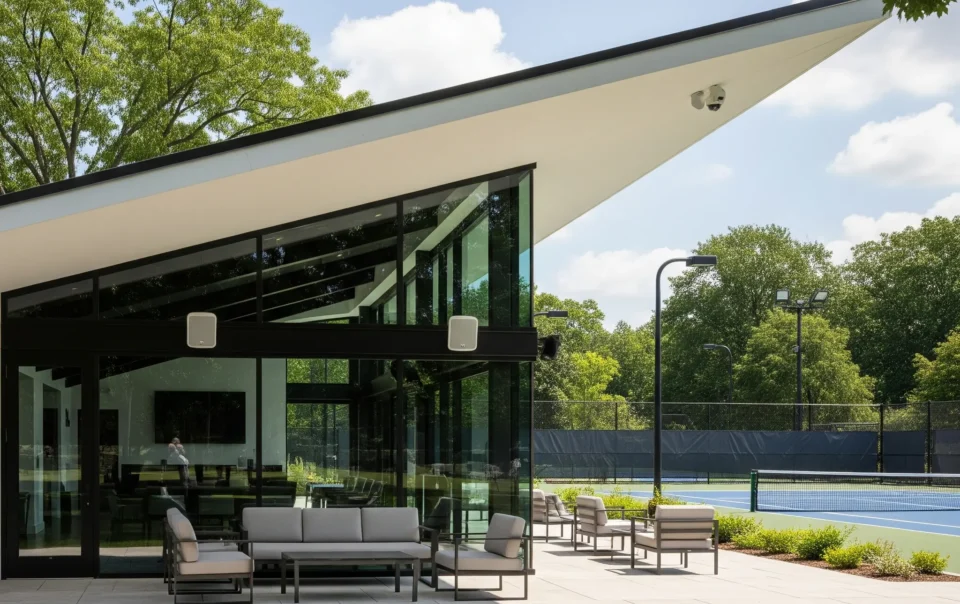
    Private club tennis pavilion with integrated outdoor AV system
    Surveillance-equipped tennis pavilion ensures guest safety without compromising club aesthetics

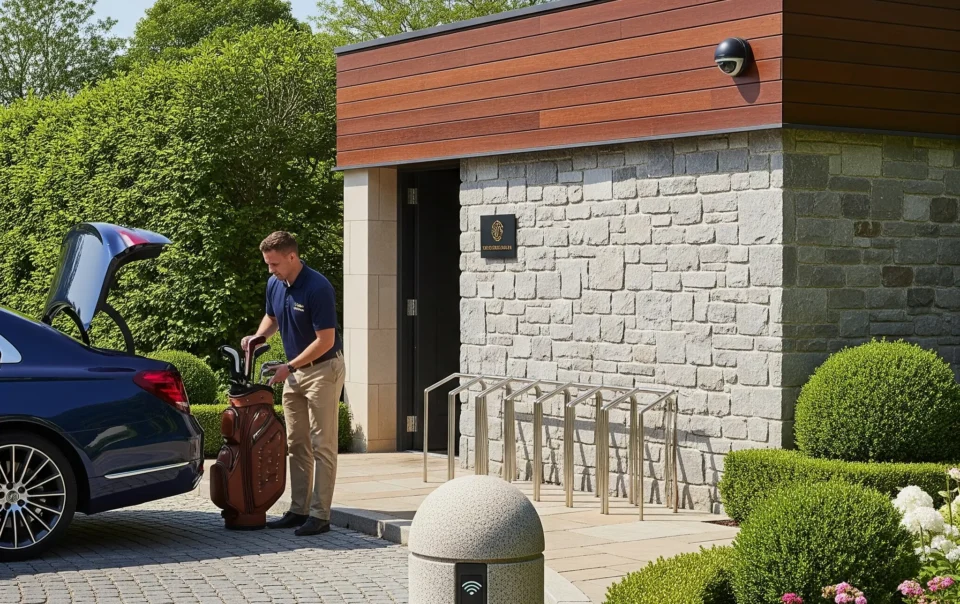
    Access control isn’t just about security—it can also be a tool to personalize service. For example, having RFID readers at valet or bag drop lets staff know who’s arriving and greet members by name. It’s a small touch that goes a long way in making members feel valued and cared for.

    5. Restrict Access to Seasonal or Special Use Areas

    Some amenities, like pools or courts, might only be available during certain times of year or to select groups (like swim teams). Access control can limit entry during the off-season or to unauthorized users, saving on maintenance and ensuring safety.

    6. Explore Mobile Credentials to Modernize Access

    Carrying key cards or fobs can be a hassle, especially for members juggling multiple clubs or responsibilities. Mobile credentials—using Bluetooth or QR codes on phones—offer a modern alternative. While the upfront cost can add up for large memberships, some management platforms integrate QR codes that work with existing systems, offering a flexible and cost-effective option.

    7. Design Your System for Reliability and Resilience

    Access control must work even when things go wrong. Plan for power outages with battery backups and ensure your system has redundant internet connections to prevent downtime. Also, decide between fail-secure (doors stay locked during power loss) or fail-safe (doors unlock for safety), depending on the space and security needs.

    8. Schedule Regular Security Testing and Audits

    Don’t set it and forget it. Annual penetration tests and system audits help uncover vulnerabilities before they become problems. These reviews keep your system sharp and responsive to changing threats or club needs.

    9. Avoid Common Pitfalls That Can Undermine Your System

    • Overcomplicating Credential Hierarchies: Complex systems can confuse front-desk staff, leading to mistakes. Keep credential groups simple and intuitive.
    • Ignoring Landscaping and Physical Security: Dense shrubs or fences with gaps can become easy entry points for trespassers.
    • Delaying Firmware Updates: Neglecting updates can leave doors unlocked or systems vulnerable.
    • Treating Access Control as a One-Time Project: Your security needs evolve—plan for ongoing management and improvements.
    • Skipping Annual Reviews: Regular audits prevent small issues from becoming liabilities.

    10. Make Access Control Effortless for Members While Keeping Everyone Safe

    At the end of the day, your access control system should be invisible to members—working smoothly behind the scenes so they hardly notice it. Complicated or intrusive systems risk frustrating members and creating bottlenecks at entry points, which can damage their overall experience.
    Focus on convenience without sacrificing security: easy-to-use RFID tags or mobile credentials let members move freely and confidently throughout the club. Meanwhile, the system quietly tracks access and alerts staff to any issues, protecting your people and property without disruption.
    Balancing seamless member access with robust security builds trust and satisfaction, reinforcing the exclusivity and professionalism your club stands for.

    Gated community entrance with modern guard house and surveillanceGuard house entry reinforces privacy and exclusivity for members

    Explore custom access control solutions →

  • Why Video Surveillance at Private Clubs Requires a Smarter, More Discreet Approach

    Why Video Surveillance at Private Clubs Requires a Smarter, More Discreet Approach

    Private clubs can’t afford off-the-shelf security. At Macrotek Services, we understand that trust, discretion, and design sensitivity must guide every surveillance decision. Security at private clubs is about more than just deterrence; it’s about maintaining a seamless, high-trust environment for members and staff alike.

    In this post, we’ll explore why video surveillance in country clubs, golf clubs, and private social clubs is different and what to look for when designing a system that fits both expectations and operations in a luxury setting.

    Why Clubs Need Smarter Surveillance Systems

    Private clubs often span large, diverse properties, from dining areas and locker rooms to pro shops, parking lots, and pool decks. A standard off-the-shelf camera setup is not designed for these complex and sensitive environments.

    Private club pool area where discreet video surveillance helps ensure safety without disrupting member relaxation
    A high-traffic club pool area where discreet cameras help protect members, especially during events and summer activities.

    Private clubs need video surveillance that is:

    • Discreet and non-intrusive: Members expect privacy. Bulky, conspicuous cameras can make them uncomfortable.
    • Comprehensive yet controlled: Full coverage should never come at the cost of visual overkill or member trust.
    • Integrated: Surveillance should work seamlessly with access control, alarms, and facility management tools.

    How Private Club Video Surveillance Differs from Commercial Systems

    1. Privacy Sensitivity

    Cameras in private clubs require careful placement, often with board or committee approval. Lounges, offices, and other member-only areas demand a high level of discretion.

    2. Larger, More Varied Spaces

    Unlike an office or store, clubs have buildings, outdoor zones, and hard-to-cover terrain. These require advanced cabling, weatherproof equipment, and expert layout design.

    3. After-Hours Monitoring

    Deliveries and activity often happen before or after peak hours. Clubs need night vision, motion alerts, and remote viewing capabilities.

    4. Integration with Access Control

    Modern clubs use keycards and fobs. Private club video surveillance systems should log video in sync with door access, allowing real-time insights and traceability.

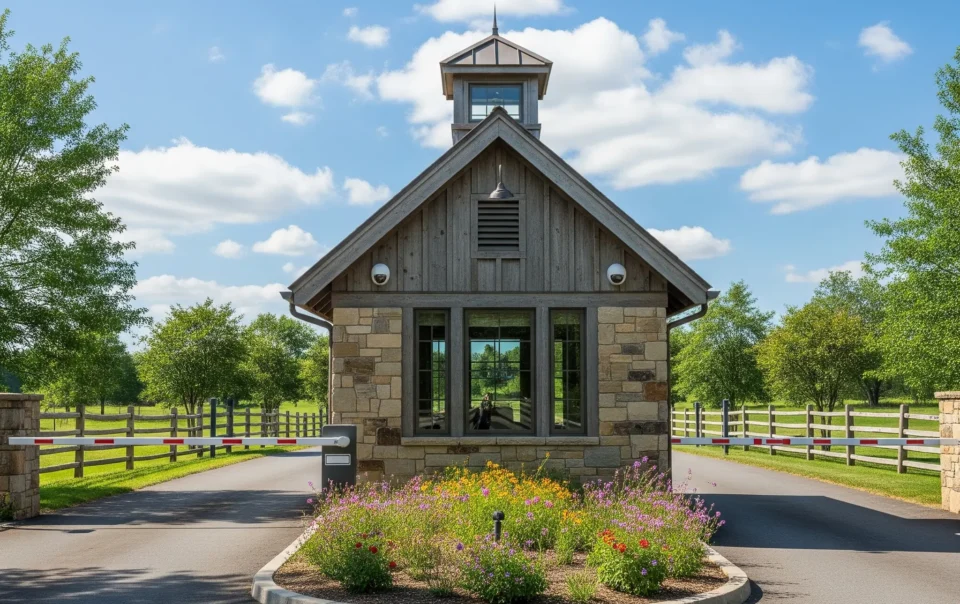
    Private golf club guard gate designed for seamless surveillance and member-friendly vehicle access
    Guard gates serve as the first line of defense and member reassurance—ideal locations for private club video surveillance systems with discreet aesthetics.

    5. Image Quality and Retention

    Footage should be crystal-clear and accessible. That means HD or 4K resolution, facial and plate clarity, and custom retention policies for insurance and liability purposes.

    What to Expect From a Club-Focused Surveillance Partner

    Choosing the right AV/security partner is critical. At Macrotek, we provide:

    • Design-sensitive installations that blend into your environment
    • Custom coverage mapping for your layout and risk profile
    • Remote access for GMs and operations teams
    • Integration with access control and emergency systems
    • Ongoing support and footage management training

    Explore AV system integration →

    Start With a Custom Security Walkthrough

    Every club is different, and so is its risk profile. That’s why we always begin with a walkthrough to identify blind spots, high-traffic zones, and member-facing areas. We’ll help you design a video security plan that improves security, without compromising comfort or trust.

    Book your complimentary security walkthrough →

  • Modern Security Solutions for Private Golf Clubs in the Southeast U.S.

    Modern Security Solutions for Private Golf Clubs in the Southeast U.S.

    Security at private golf clubs is no longer just about locks, cameras, and gates; it’s about creating a seamless, trusted environment that protects people, property, and experiences. As expectations rise and technology evolves, many Southeast clubs are rethinking outdated systems and taking a smarter, more member-focused approach to security.

    Here’s how forward-thinking clubs are modernizing their approach and what to consider as you plan your roadmap.

    Explore our surveillance services designed specifically for private clubs.

    Why Security Needs Have Changed

    Private clubs today face a very different set of challenges than they did just a few years ago. Larger campuses, increased events, a more connected member base, and heightened expectations for safety and privacy are pushing clubs to evolve beyond traditional systems.

    Today’s clubs need:

    • Better control over who enters and exits
    • Faster response to emergencies or incidents
    • Discreet protection that doesn’t interfere with the member experience
    • Scalable systems that can grow and adapt over time

    Security now plays a critical role in both risk management and operational excellence, and clubs that treat it that way are seeing the benefits.

    What’s In It for Your Club?

    Upgrading your security systems isn’t just about preventing worst-case scenarios; it’s a strategic investment in member satisfaction, team efficiency, and the overall value of your club.

    Here’s what modern security can deliver:

    • Member Confidence
      When members feel safe, they’re more likely to stay engaged and refer others.
    • Operational Efficiency
      Smart, integrated systems reduce manual oversight and improve communication.
    • Event Readiness
      Whether it’s a wedding or a tournament, modern tech ensures seamless security and coordination.
    • Risk Reduction
      Updated systems can help lower insurance premiums and reduce liability.
    • A Competitive Edge
      Clubs that lead with safety and tech-forward amenities stand out in a crowded market.

    What Modern Security Solutions for private clubs look like

    Outdoor dining patio at a private golf club in the Southeast, ideal for discreet surveillance and integrated security technology
    Spacious outdoor patio at a Southeast private golf club; an area where discreet security and member comfort must work in harmony.

    Modern systems are built around three key goals: visibility, control, and speed, with solutions tailored to how clubs operate day to day.

    1. Smart Video Surveillance

    • High-definition, discreet cameras throughout the property
    • AI-powered analytics that detect after-hours or unusual activity
    • License plate recognition at gates and entrances
    • Remote access to live or recorded footage for trusted staff

    2. Member-Centric Access Control

    • RFID, mobile credentials, or key fobs for doors and gates
    • Temporary or event-specific access for guests, vendors, and contractors
    • Integration with member directories or digital apps
    • No more shared codes or outdated lock systems

    3. Perimeter and Gate Management

    • Intelligent gates with long-range vehicle detection
    • Smart intercoms with visual verification
    • Monitored entry points across larger properties
    • Remote management or 24/7 third-party monitoring options

    Why Clubs in the Southeast Are Leading the Way

    From the Lowcountry of South Carolina to private golf resorts in Florida, Southeastern clubs are making proactive upgrades, not just in response to incidents, but as part of broader campus modernization. One example is the Druid Hills Golf Club, where we completed a seamless surveillance and access control upgrade.

    Many are choosing to incorporate security enhancements during:

    • Clubhouse renovations
    • Parking or gate redesigns
    • AV/IT system overhauls
    • Annual capital improvement cycles

    The result? Seamless installations that don’t disrupt member experience, and systems designed to last.

    Front entrance and landscaped drive of a private golf club in the Southeast, highlighting areas where modern surveillance and access control can be discreetly integrated
    Elegant clubhouse entrance at a Southeastern private golf club; an ideal location for discreet surveillance and member-focused access control.

    Why the Right Partner Matters

    Security systems, like any technology investment, only work when they’re thoughtfully designed and well supported. Partnering with a provider who understands the private club environment makes all the difference.

    Look for a security partner who can:

    • Design a system tailored to your property and priorities
    • Recommend scalable, future-proof solutions
    • Provide training and ongoing support
    • Ensure compliance with local regulations and insurance requirements

    Looking Ahead: Security as a Member Experience

    At the end of the day, your members want to feel safe, but not micromanaged or monitored. The right country club surveillance and security systems technology strikes that balance, delivering protection that supports hospitality, not disrupts it.

    In the Southeast, where tradition meets innovation, modern security solutions for private clubs are no longer a “nice to have.” It’s part of what it means to be a well-run, forward-thinking private club.

    Don’t settle for one-size-fits-all surveillance.
    Let’s plan a system built around your layout, your operations, and your promise of safety.

    Request a Complimentary Security Walkthrough →